
When you think of caffeine, you think of coffee. While caffeine is not exclusive to dark beverages (chocolate includes some), coffee is favored worldwide for both its flavor and caffeine content.
Since its early brewing times hundreds of years ago, coffee has been associated with caffeine as a boost to one’s attention and productivity. Millions of people rely on the energy that a cup of coffee may bring to get through their daily routines.
Caffeine and its good effects on the brain, however, are not restricted to coffee. As previously noted, both chocolate and tea contain it. Energy drinks have recently been a popular way to ingest caffeine with a flavor that is not necessarily the same as, or even similar to, coffee.
These energy drinks differ from cola and lemonade in that they contain extra brain and body-beneficial substances. It is unusual to find them fortified with vitamins or minerals. Caffeine is also contained, thus the moniker “energy drink.”
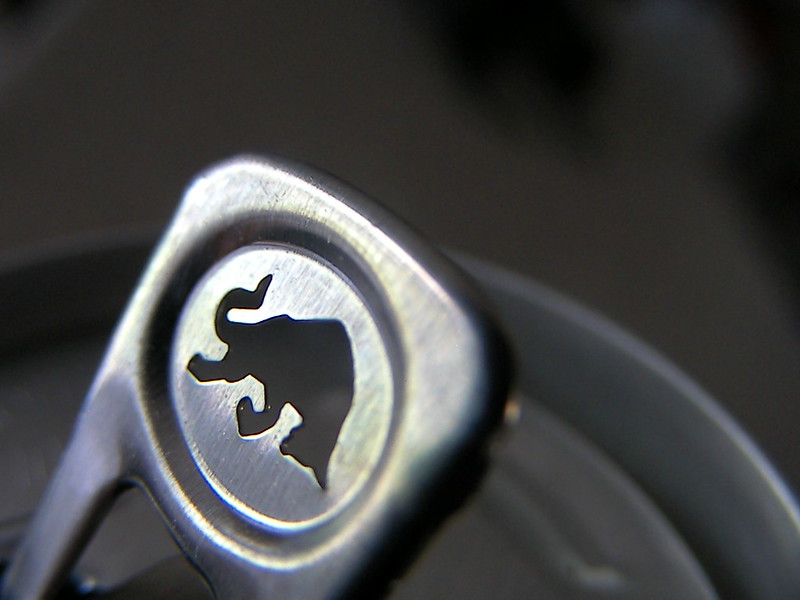
Red Bull is a well-known and extensively used energy drink. It’s marketed as a coffee alternative for people who want a caffeine boost but don’t want to sit down to drink a cup of coffee (or don’t like the flavor). What is the difference between a can of Red Bull and a cup of coffee? Which one contains the most caffeine? Let’s see how they stack up in terms of nutrition and flavor.
Red Bull
You’ve most likely heard the slogan “Red Bull gives you wings.” The Red Bull marketing team came up with a tagline that has now become part of our language.
The allure of Red Bull is clear. With over 6 billion cans sold each year, Red Bull has the biggest market share of any energy drink in the world. The drink was invented in 1987, more than 30 years ago, and is of Austrian origin, sold by Red Bull GmbH, which is based in a small town near Salzburg.
Red Bull’s appeal stemmed from its convenience and caffeine content: at the time it was created, there was no product on the market that could supply you with a rush of energy simply by purchasing it in a supermarket and bringing it with you on the road.
The closest equivalent was coffee, but you had to travel to a coffee shop and wait for the baristas to prepare it right there. Not as quick and easy as a Red Bull.
Coffee
Red Bull’s most immediate “competitor” is coffee. Coffee has been known for millennia across the world and is profoundly ingrained in many cultures and practices that have been passed down through generations. It consumes far more than Red Bull and shows no signs of declining market share to energy drinks. Coffee accounts for 75% of caffeine consumption in the United States alone.
There are two fundamental differences between a cup of coffee and a can of Red Bull: taste and convenience. Coffee obviously does not taste like Red Bull. It’s a freshly made beverage with natural bitterness and acidity that a Red Bull lacks.
It has no sugar and is only delicious because the beans used in the brewing have some natural sweetness. The flavor of black coffee, on the other hand, is disliked or enjoyed by the majority of people, and hundreds of coffee beverages have been developed to modify or improve the taste of coffee.
Another key issue to consider is convenience. Coffee must be prepared before it can be drank. Even instant coffee needs the addition of hot water and some mixing before it can be drank. There was no ready-to-drink coffee accessible in stores until recently, akin to a Red Bull.
As a result, drinking coffee requires more time and skill. Some baristas can create amazing coffee, while others fall short of what a coffee aficionado would consider a good cup. The flavor varies greatly depending on where you get it and how it is prepared. Red Bull cans taste the same all across the world.
As a result, the two beverages have the same benefits but totally distinct tastes and methods of intake.
Caffeine Levels
Caffeine, as previously said, is one of the key reasons why people drink coffee. In terms of energy boost, Red Bull’s caffeine concentration is comparable to that of a cup of excellent coffee. But how do they compare in detail? Coffee or Red Bull is more caffeinated.
The solution is not that simple. Every can of Red Bull has the same amount of caffeine: 80mg. The caffeine content is the same regardless of where you get it.
This is not the case with coffee. The caffeine amount of a cup of coffee varies greatly depending on how it is prepared, the proportion of coffee grounds to water used, and the type of beans used. It can range from as low as 20mg per cup to as much as 200mg for the most powerful and biggest brews. An espresso, the base of many coffee beverages, generally contains 40 to 100mg of caffeine, making it comparable to a can of Red Bull.
Other brews are more variable, as the coffee-to-water ratio is determined by personal taste and specialist formulas. Most coffee has around the same amount of caffeine as a can of Red Bull, although there are several exceptions.
Additives
Unlike coffee, Red Bull has a slew of extra substances that enhance both the flavor and the health benefits. Without going into detail on each, we’ll concentrate on the two most important: taurine and sugar.
Taurine
Taurine is widely included in energy beverages, including Red Bull. It is a naturally occurring substance found in animal products, particularly fish. Coffee has no taurine. Its benefits aren’t as powerful as caffeine’s, but they’re still beneficial: taurine has been shown to reduce the occurrence of cardiac risk factors including atherosclerosis and coronary heart disease. Taurine also improves healthy skeletal muscle function. In layman’s words, it is essential for our muscles to execute their normal functions.
As a result, taurine is a welcome addition to the list of Red Bull ingredients. That is undeniably a benefit of energy drinks over normal coffee. And, if you’re worried that drinking too much taurine would hurt your health, rest assured: multiple studies have shown that ingesting up to a few thousand milligrams of taurine per day causes no risk to our bodies.
Sugar
In coffee, sweeteners such as milk, sugar, cream, or milk substitutes are typically added. If you do, your coffee will have sugar in it. Otherwise, black coffee is naturally sugar-free. People who are on a diet or have diabetes need not be anxious that drinking coffee would damage their health or goals.
Red Bull, for example, has sugar by default. It’s not a little quantity, however; each can has around 27 grams, which is equivalent to 6 teaspoons of sugar. That is more than the daily limit. So, if you’re trying to lose weight or have diabetes, a can of Red Bull could be something you should avoid or take in moderation.
Health Benefits
Both coffee and Red Bull have health benefits. We’ve already discussed what taurine can do for your health. Antioxidants are present in Red Bull, just as they are in coffee. Coffee, on the other hand, offers a plethora of health advantages, with research indicating that it can help reduce the risk of a variety of conditions such as diabetes, Alzheimer’s, heart disease, and others.
Studies demonstrating how a mild to moderate consumption of Red Bull is beneficial to your health, on the other hand, are uncommon, if at all. Proceed with caution and limit your intake to a fair level as a precaution.
Coffee and Red Bull both include a lot of minerals, primarily calcium, magnesium, and sodium in Red Bull and calcium, potassium, magnesium, and phosphorus in coffee. Depending on the amount drank, both coffee and Red Bull may be a good source of a variety of minerals, meeting a considerable percentage of the daily requirement.
What is the purpose of caffeine?
Caffeine has long been investigated as a drug. It has been known for millennia that it may boost concentration and attention. Caffeine, in particular, is a brain system stimulant that increases response speed, concentration, motor coordination, and makes the body feel less exhausted. Those who work long shifts or accomplish difficult physical tasks swear by coffee.
As previously noted, the caffeine concentration of Red Bull is more than that of a cup of coffee on average. As a consequence, a can of this drink may allow you to quickly continue your profession or study with renewed vitality.
What is the upper limit?
Excessive consumption, like anything else, is not advised. Whether it’s coffee or Red Bull, consuming too much of either may be detrimental to your health, especially over time.
Caffeine is the first culprit. While the benefits outweigh the hazards, consuming more than 400mg of caffeine per day can be counterproductive, with more negative consequences than positive.
This equates to a couple of large cups of coffee each day and up to three or four Red Bulls. This is the upper limit, and people who have hypertension or heart problems should see their doctor before ingesting such significant amounts of caffeine on a regular basis. The majority of people should be able to live on half that amount.
Sugar isn’t a problem if you drink your coffee black. Large cups of frappe, latte, and other similar beverages can contain the same amount of sugar as a can of Red Bull. It is quite simple to surpass the recommended dietary sugar consumption while drinking an energy drink like Red Bull. Here, moderation is also encouraged.
 Small Coffee Place